Xpert® MRSA/SA BC (kit de 10 testes)
GXMRSA/SABC-CE-10
Preço unitário
Sub-total
O produto não está disponível para compra na sua região.


Soluções da Cepheid
Testagem em qualquer lugar
Gestão da utilização de antibióticos

Cepheid’s Insights
Webinars
Cepheid RADAR

Support Center
Documents & Technical Resources
Contacte-nos

Acerca da Cepheid
Missão e histórica
A nossa liderança
Eventos
Distribuidores
Oportunidades de desenvolvimento de negócio
Inovar com a Cepheid
Conheça a motorizada Cepheid
Notícias
Carreiras
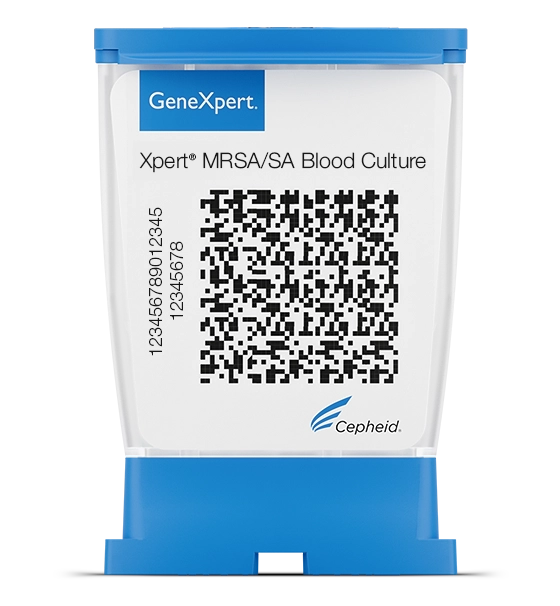
Xpert® MRSA/SA BC (kit de 10 testes)
GXMRSA/SABC-CE-10
Preço unitário
Sub-total
O produto não está disponível para compra na sua região.
Total
({{currency}})
0
Menu de teste
eng
Menu de teste
pt_PT
Ficha técnica
eng
MSDS/FDS
eng
MSDS/FDS
eng

GXNOV-CE-10
Identificação rápida e exata de norovírus GI e GII em apenas uma hora* *Com conclusão antecipada do teste para resultados positivos. Notificação de resultados negativos em 90 minutos.
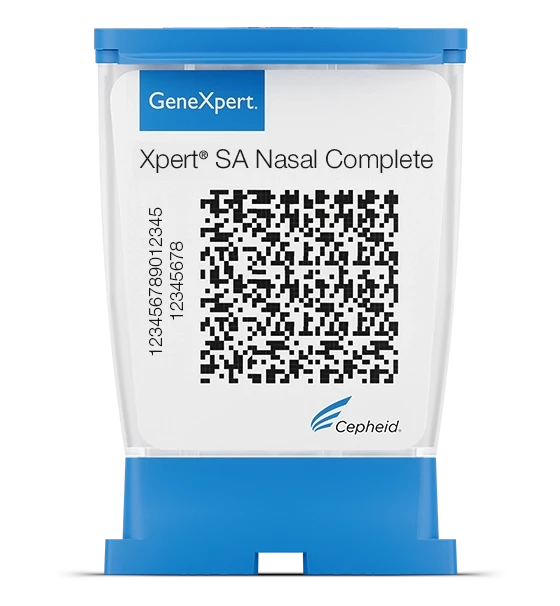
GXSACOMP-CE-10
Pré-cirúrgicos de S. aureus e MRSA em aproximadamente 65 minutos

GXMRSA/SA-SSTI-CE
Detetar infeções cutâneas e dos tecidos moles por MRSA e SA em aproximadamente uma hora
1. What is the Xpert® MRSA/SA Blood Culture test?
1. What is the Xpert® MRSA/SA Blood Culture test?
The Xpert® MRSA/SA Blood Culture test, performed on the GeneXpert® systems, is a qualitative in vitro diagnostic test intended for the detection of Staphylococcus aureus (SA) and methicillin-resistant Staphylococcus aureus (MRSA) DNA directly from positive blood cultures.1
2. How does the Xpert® MRSA/SA Blood Culture test work?
2. How does the Xpert® MRSA/SA Blood Culture test work?
The test utilizes automated real-time polymerase chain reaction (PCR) to detect MRSA/SA DNA.1
3. What is the indicated use for the Xpert MRSA/SA Blood Culture test?
3. What is the indicated use for the Xpert MRSA/SA Blood Culture test?
The Xpert MRSA/SA Blood Culture test is indicated for use in conjunction with other laboratory tests, such as culture, and clinical data available to the clinician as an aid in the detection of MRSA/SA from positive blood cultures. Subculturing of positive blood cultures is necessary to recover organisms for susceptibility testing or for epidemiological typing. The Cepheid Xpert MRSA/SA Blood Culture test is not intended to monitor treatment for MRSA/SA infections.1
4. What is Staphylococcus aureus (SA) and MRSA?
4. What is Staphylococcus aureus (SA) and MRSA?
Staphylococcus aureus (SA) is a major nosocomial pathogen that causes a range of diseases including endocarditis, osteomyelitis, toxic shock syndrome, food poisoning, carbuncles and boils.1
In the early 1950s, acquisition and spread of beta-lactamase-producing plasmids thwarted the effectiveness of penicillin for treating SA infections. In 1959, methicillin, a semi-synthetic penicillin, was introduced and, soon after, methicillin-resistant SA (MRSA) strains were identified.1
Referências:
1. Xpert® MRSA/SA Blood Culture Package Insert.
Consulte os nossos portais adicionais para encontrar documentos e recursos não listados aqui.
Veja os nossos artigos de autoajuda, crie um caso ou veja as informações de contacto.