
Cepheid Logo
Request Info
Location / Language

{{headingText}}

{{paragraphText}}

{{continueBtnLabel}}

{{initials}}
Main Menu
Location / Language

{{headingText}}

{{paragraphText}}

{{continueBtnLabel}}

Request Info

Request Info

Xpert® FII & FV

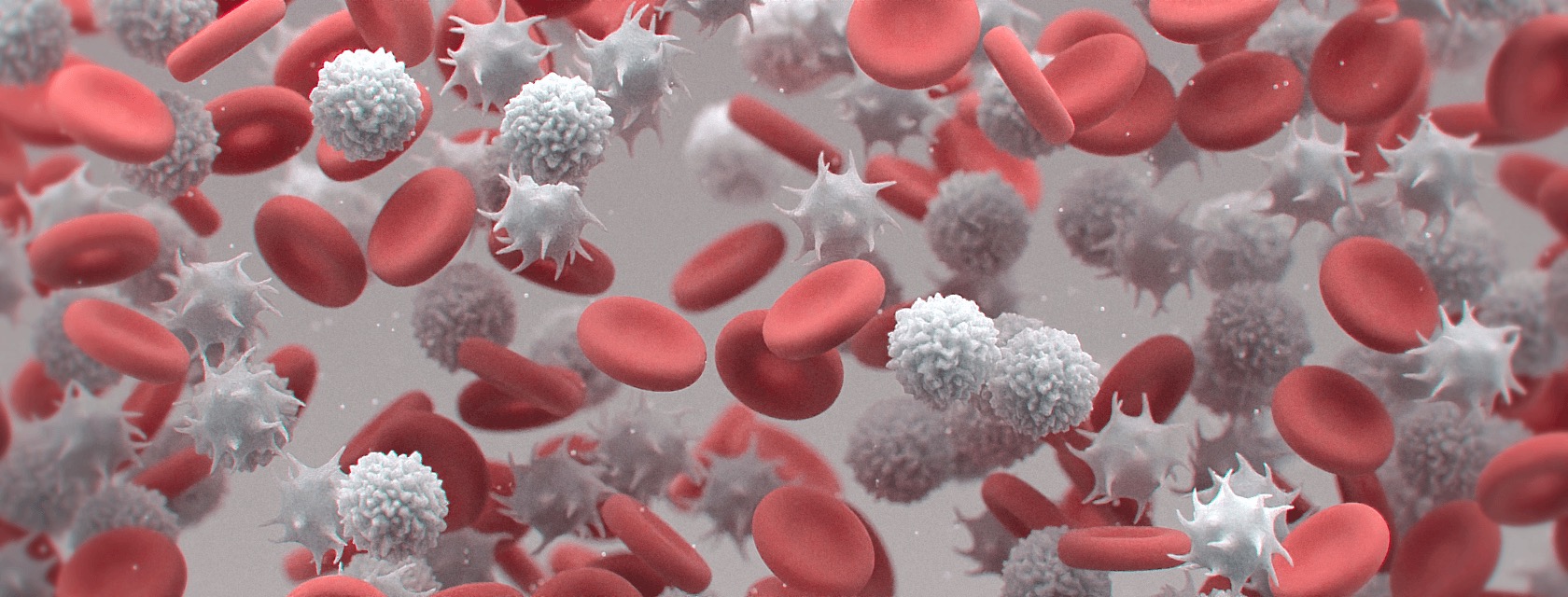
FII & FV computer generated depiction.
30-Minute Test for Genetic Risk of Thrombosis

The Need

an ill woman listens to a physician
Thrombophilia is as an increased risk or tendency to develop blood clots (thrombi) in veins, arteries or both due to either inherited or acquired defects.1
The high incidence of venous thrombo-embolism (VTE) in hospitalized patients is a major cause of sudden death.1
Factor II and V are the two most common genetic variants associated with VTE and testing for these variants is the most common referral in clinical genetics laboratories.2
  1. Heit J et al. The epidemiology of venous thromboembolism. J Throm Thrombolysis 2016 41: 3-14
  2. Zhang S, Taylor AK, Huang X, Luo B, Spector EB, Fang P, Richards CS; ACMG Laboratory Quality Assurance Committee. Venous thromboembolism laboratory testing (factor V
    Leiden and factor II c.*97G>A), 2018 update: a technical standard of the American College of Medical Genetics and Genomics (ACMG). Genet Med. 2018 Dec;20(12):1489-1498. doi:
    10.1038/s41436-018-0322-z. Epub 2018 Oct 5. PMID: 30297698.

The Solution

a male and a female researchers scanning cepheid test cartridges
The Xpert FII & FV is intended to provide results for Factor II mutation c.*97G>A (formally G20210A or 20210G>A) and Factor V Leiden c.1601G>A (p.Arg534Gln) (formally G1691A or Arg506Gln) as an aid in the diagnosis of suspected thrombophilia.5
The test is a qualitative genotyping test for fast and simultaneous detection of Factor II and Factor V alleles in approximately 30 minutes.5
5. Xpert® Factor II & Factor V Kit Instructions for Use.

The Impact

a smiling female doctor attends an elderly woman
  • Potential to improve patient management and optimize lab workflow with fast test and accurate results that don’t require specialized lab personnel or facilities.4
  • Delivers fast answers on the two main factors involved in VTE enabling timely clinical management.1–3
  • Enables laboratories and clinicians to adhere to professional standards.2
  1. Heit J et al. The epidemiology of venous thromboembolism. J Throm Thrombolysis 2016 41: 3-14
  2. Zhang S, Taylor AK, Huang X, Luo B, Spector EB, Fang P, Richards CS; ACMG Laboratory Quality Assurance Committee. Venous thromboembolism laboratory testing (factor V
    Leiden and factor II c.*97G>A), 2018 update: a technical standard of the American College of Medical Genetics and Genomics (ACMG). Genet Med. 2018 Dec;20(12):1489-1498. doi:
    10.1038/s41436-018-0322-z. Epub 2018 Oct 5. PMID: 30297698.
  3. CDC. Accessed Jan 2026 https://www.cdc.gov/blood-clots/about/?CDC_AAref_Val=https://www.cdc.gov/ncbddd/dvt/facts.html
  4. Saquilayan M et al. Detection of genetic thrombophilia (Fa V Leiden & PT20210 mutation) using GeneXpert technology with IQCP implementation. Natural Sciences and
    Mathematics | Clinical Laboratory Sciences Culminating Projects. 2019. https://doi.org/10.33015/dominican.edu/2019.CLS.04

Connect To Better Outcomes

Request Info

Insights